Why American advertising keeps selling sex when its own research says sex does not sell
A viral Reddit thread asked the question the whole Novig cycle has been dancing around: why does American culture keep monetizing sexuality while loudly debating its harms? The honest answer is not hypocrisy. It is a business model, and the industry's own research explains exactly how it works and why it keeps coming back.
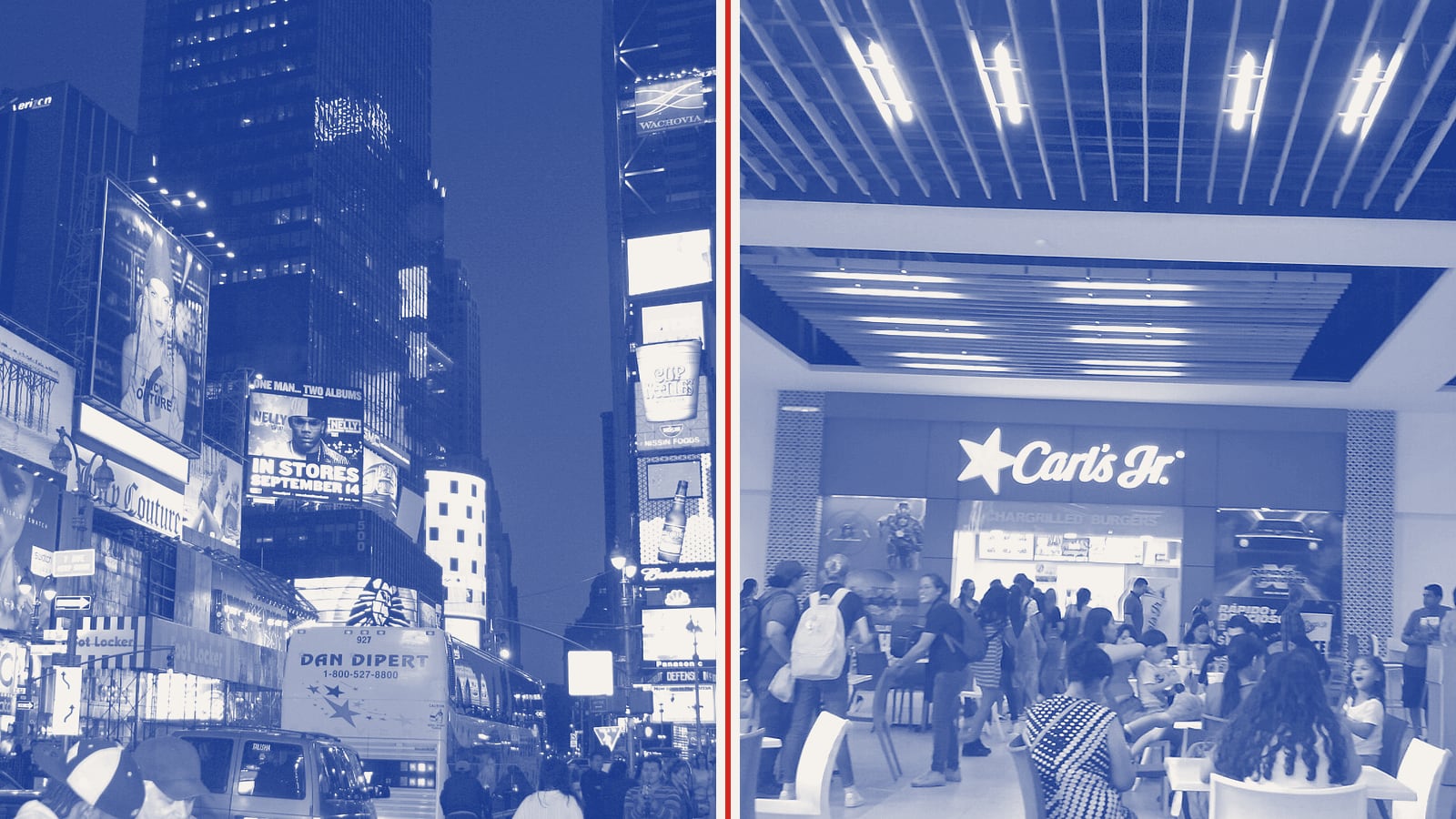
This week, in the middle of the Novig ad cycle, a thread on Reddit's r/NoStupidQuestions asked a question worth taking seriously: "I don't understand American culture about commercialization of sexuality?" The poster, writing from outside the US, was puzzled that a culture which frets about objectification also runs an enormous industry of monetized sexuality, from OnlyFans to the current wave of skin-forward advertising. Cable news answers that question with a culture war. The advertising industry's own research answers it with something more uncomfortable: America keeps buying sex in ads even though the evidence says sex does not sell the product. It sells something else.
What the research actually says
The largest study of the question is a meta-analysis of 78 peer-reviewed experiments led by University of Illinois advertising professor John Wirtz, published in the International Journal of Advertising. Its finding has been quoted in marketing classrooms ever since: "We found that people remember ads with sexual appeals more than those without, but that effect doesn't extend to the brands or products that are featured in the ads." Viewers remember the ad. They do not remember what it was for. On the measure advertisers are actually paid to move, Wirtz was blunter still: "We found literally zero effect on participants' intention to buy products in ads with a sexual appeal." The same analysis found attitudes toward the brand got slightly worse, and that men liked the ads while women disliked them. Hold that last finding, because it is about to reappear in 2026 data.
At a glance
- The evidence base
- A meta-analysis of 78 peer-reviewed studies led by John Wirtz at the University of Illinois
- The core finding
- Sexual appeals boost recall of the AD but not the brand, with "literally zero effect" on purchase intention
- The confession
- Carl's Jr publicly retired its bikini ads in March 2017 with the "Carl Hardee Sr" campaign
- The reversal
- The same chain brought the format back for Super Bowl LIX in February 2025 with Alix Earle
- The 2026 replication
- System1 testing on the Novig ad: men near five stars, women around one star
The industry already admitted this once
The clearest confession came from the brand that defined the genre. For a decade, Carl's Jr sold burgers with Paris Hilton, Kate Upton and Emily Ratajkowski in swimwear. In March 2017, weeks before the Wirtz analysis published, the chain publicly retired the whole format. Its new campaign invented a founder figure, Carl Hardee Sr, who storms back into headquarters, strips the swimsuit photos off the walls, and rebrands the company as "pioneers of the great American burger." The message of the spot was the admission: the sexy ads had made the ads famous and left the food beside the point, exactly the ad recall without brand recall trap the meta-analysis described. It was as close as an advertiser gets to publishing its own study replication.
Then the attention economy changed the math
So why is it all back? Because the thing being purchased changed. In February 2025, after what Fox News counted as an eight year hiatus, Carl's Jr returned to the format for Super Bowl LIX with influencer Alix Earle in a Hangover Burger spot. The research had not changed. The goal had. A 2005 advertiser wanted brand recall from a broadcast audience. A 2026 advertiser wants a spike of attention that social platforms and news outlets will redistribute for free, and provocation is the cheapest known trigger for that redistribution. The campaigns this site tracks are the proof of concept: the American Eagle jeans ad, the Dr Squatch bathwater campaign, and above all the Novig betting ad, whose testing numbers read like a lab confirmation of the older literature. The ad testing firm System1 found men rated the Novig spot near five stars while women scored it around one, the exact gender split Wirtz documented, except now the split is not a side effect. System1's own executive suspected it was the intended outcome. The polarization is the distribution strategy.
The part the question gets right
The Reddit poster's puzzlement is more clear-eyed than most of the professional commentary, because the contradiction they noticed is real and load-bearing. American culture is both the buyer and the scold, and the modern outrage ad needs it to be both. Without the buyer there is no audience. Without the scold there is no news cycle. Without the news cycle the ad is just an ad again, subject to the research above, which says it would quietly fail. What the model does not price is the long tail. Salon's Coleman Spilde argued this month that the bombshell strategy has no endgame for the person in the frame: "Youth fades, beauty changes, and another blonde bombshell is always waiting around the corner." The attention is rented, the controversy compounds, and the research still says nobody remembers the brand. That is the answer to the thread's question. It is not that America has failed to notice the contradiction. It is that an entire advertising strategy now depends on maintaining it.
What to watch
Watch whether any of the current outrage campaigns publish downstream numbers, signups, sales, or retention rather than impressions, because that is the data the whole model is missing and the meta-analysis predicts it will disappoint. And watch for the next retreat. This cycle has flipped twice in a decade. If the pattern holds, some brand will run the 2027 version of the Carl Hardee Sr ad, apologize for the noise, and the industry will call it bold.
Sweeney Ad Watch is an independent commentary site with no affiliation to any brand, platform, researcher, or outlet named here. Every claim above is drawn from the sources linked in the text and listed below.


Sources & further reading
- r/NoStupidQuestions: I don't understand American culture about commercialization of sexuality?
- University of Illinois News Bureau: Research suggests sexual appeals in ads don't sell brands, products (Wirtz meta-analysis)
- The Spokesman-Review: Back to burgers, Carl's Jr. ditches bikini-clad ads (March 2017)
- Fox News: Carl's Jr. brings back bikini model ads for Super Bowl LIX (Alix Earle, February 2025)
- The Drum: Men love the sleazy Sydney Sweeney Novig ad, I guess advertising is that simple (System1 data)
- Salon: Sydney Sweeney's bombshell act masks a career with no endgame (Coleman Spilde)