The girls everyone claims to defend finally gave their verdict on the Novig ad
For two weeks, adults have argued about what the Sydney Sweeney betting ad does to girls. The president of the UK Girls' Schools Association did something nobody else in the cycle thought to do: she asked actual schoolgirl athletes. Their answer is sharper than the grown-up discourse, and it is not about the skin.
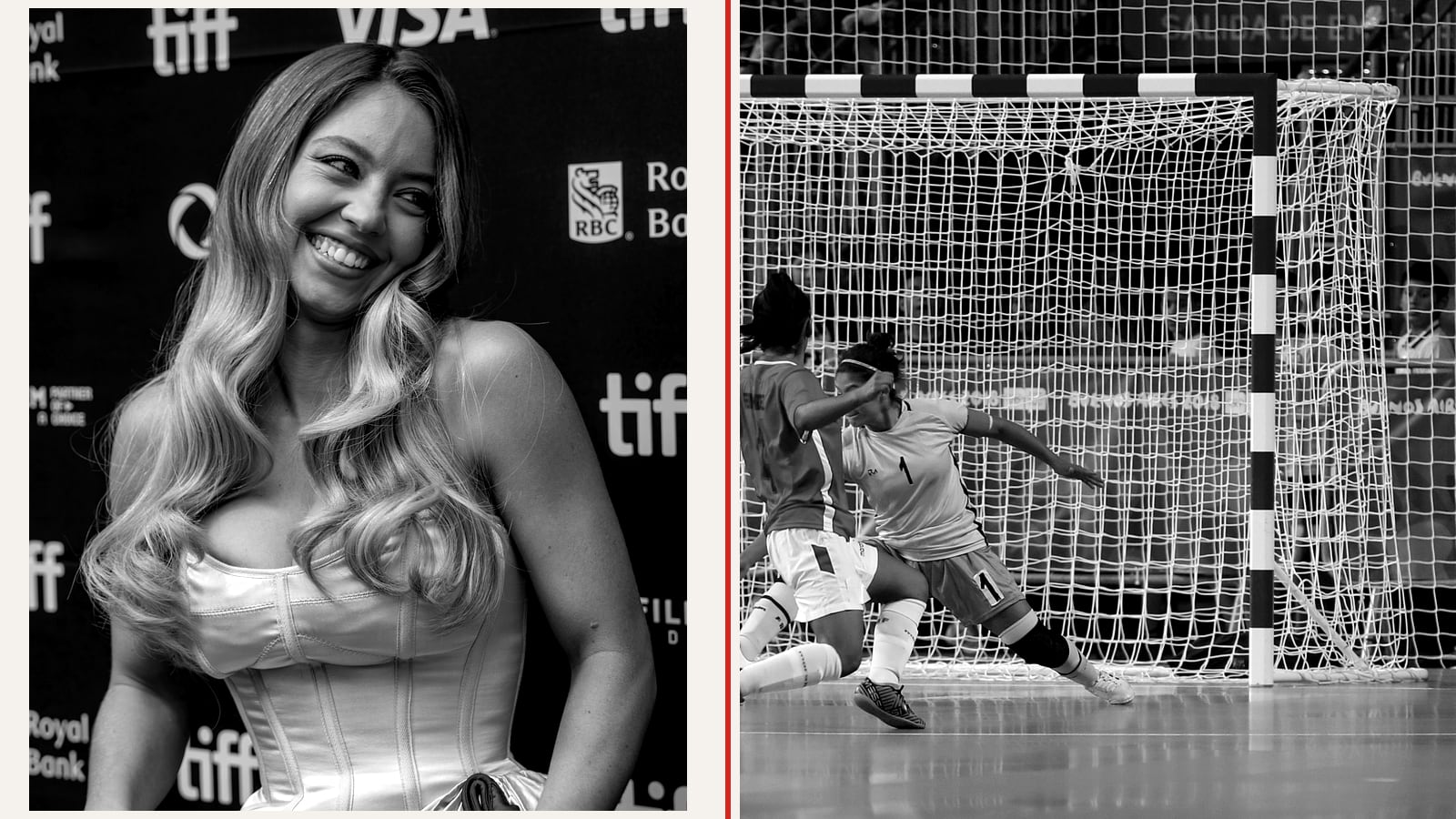
Nearly every argument about the Novig ad has been made in the name of girls. Athletes said it sets an example girls should not see. Defenders said girls are not so fragile. Columnists on both sides invoked the young female audience the way lawyers invoke a client who never takes the stand. What almost nobody did, in two weeks of discourse this site has covered from the feminist fight to the athlete backlash, was ask a girl. This week Helen Jeys, head of a girls' school and president of the UK Girls' Schools Association, did exactly that, putting the ad to young sportswomen at her school and printing what they said.
What the girls actually said
Their verdict is more precise than most of the adult commentary. "We fear that young girls will think that they can't be sporty because they don't look like Sweeney," the students told Jeys. And then the line that cuts through the whole cycle: "When sport is associated with the appearance of the female body rather than about what the female body can do, then the meaning of sport is demeaned." Note what is absent. No shock at the nudity, no moral panic about sex in advertising. The objection is structural: the ad yokes sport to how a body looks, and every girl watching who does not look like that hears the message that sport is not hers. The students named their counter-examples themselves: the Lionesses, Dina Asher-Smith, Amy Hunt. "These women are strong, they are role models and their bodies are not there for the male gaze."
At a glance
- Who was asked
- Helen Jeys, president of the Girls' Schools Association and head of a girls' school, put the ad to young sportswomen at her school
- Their verdict
- "We fear that young girls will think that they can't be sporty because they don't look like Sweeney"
- The distinction
- The objection is sport tied to appearance rather than capability, not the nudity itself
- The mechanism
- University of Canberra psychologist Vivienne Lewis: girls drop out of sport in adolescence when body image concerns take hold
- Their role models
- The students named the Lionesses, Dina Asher-Smith and Amy Hunt as the counter-examples
The grassroots heard the same thing
The schoolgirls are not an outlier reading. In Prince Edward Island, women who coach and train girls told CBC News the ad sends the wrong message to young girls, with fitness trainer Tracey Brioux saying the campaign felt like "a couple steps backwards" after years of progress. And when female athletes said this out loud, the replies made the case for them. Cycling Weekly documented women who criticized the ad being told to "go back to the kitchen," and that "nobody cares about women's sports". An ad defended as harmless fun surfaced, within days, exactly the audience the schoolgirls are worried about impressing.
The mechanism has research behind it
What the students described intuitively, clinical psychology describes formally. Vivienne Lewis, a clinical psychologist at the University of Canberra, wrote in The Conversation that girls drop out of sport in adolescence precisely when body image concerns take hold, and that sport protects girls from those concerns only when they experience their bodies as capable and powerful rather than as objects to be evaluated. That is the exact hinge the students identified: what the body can do versus how it looks. An ad that swaps the first for the second is not just tacky, it pushes on the specific lever that research says drives girls out of sport. Jeys' association argues the stakes with its own numbers, claiming pupils in girls' schools do 25 percent more curriculum PE than co-educational settings and are far likelier to play football and cricket. Those are the association's own research claims, but the direction of the point stands without them.
The strongest counterargument, taken seriously
The best case against all of this ran in Slate, where Heather Schwedel argued that Sydney Sweeney never presents herself as a woman in sports at all, so reading the ad as a statement about female athletes is a category error. As she put it, the ad is a provocation built from sports props, not a portrayal of athletes. It is a fair description of the ad's intent. But the schoolgirls' objection does not depend on intent. A thirteen year old deciding whether to stay in Saturday football does not parse whether the woman covered in sports equipment is technically presenting as an athlete. Reception is the ad's effect, and the one group nobody polled before this week turns out to read it exactly the way the critics feared, for better reasons than most of the critics gave.
What to watch
Jeys says this column is the first in a series on "the voice of the girl," so more of this constituency is coming on the record. Watch whether youth sport bodies, in the UK or North America, start citing the ad in participation campaigns, and whether any advertiser in the betting category decides the girls' reading is a cost worth pricing in. Our companion piece on the gambling case against the ad covers the other audience the campaign was engineered for.
Sweeney Ad Watch is an independent commentary site with no affiliation to Sydney Sweeney, Novig, the Girls' Schools Association, or any outlet named here. Every claim above is drawn from the sources linked in the text and listed below.


Sources & further reading
- School Management Plus: What girls really think of those Sydney Sweeney adverts (Helen Jeys)
- CBC News: Sydney Sweeney's new betting ad sends wrong message to girls, say P.E.I. women in sport
- The Conversation: Why Sydney Sweeney's controversial advert goes beyond sexualising women's sport (Vivienne Lewis)
- Cycling Weekly: "Go back to the kitchen": Speaking out about the Sydney Sweeney ad showed misogyny is rife
- Slate: The Sydney Sweeney football ad sexualizes Sydney Sweeney, not women in sports (Heather Schwedel)