The women who criticized the Novig ad are getting harassed. That is the ad working.
A Forbes analysis found Sydney Sweeney’s betting spot pulled more attention in a week than the Under 20 Women’s World Cup did all tournament. The athletes who called it out are now fielding abuse in their comments. Attention and respect are not the same currency, and this campaign only ever traded in the first.
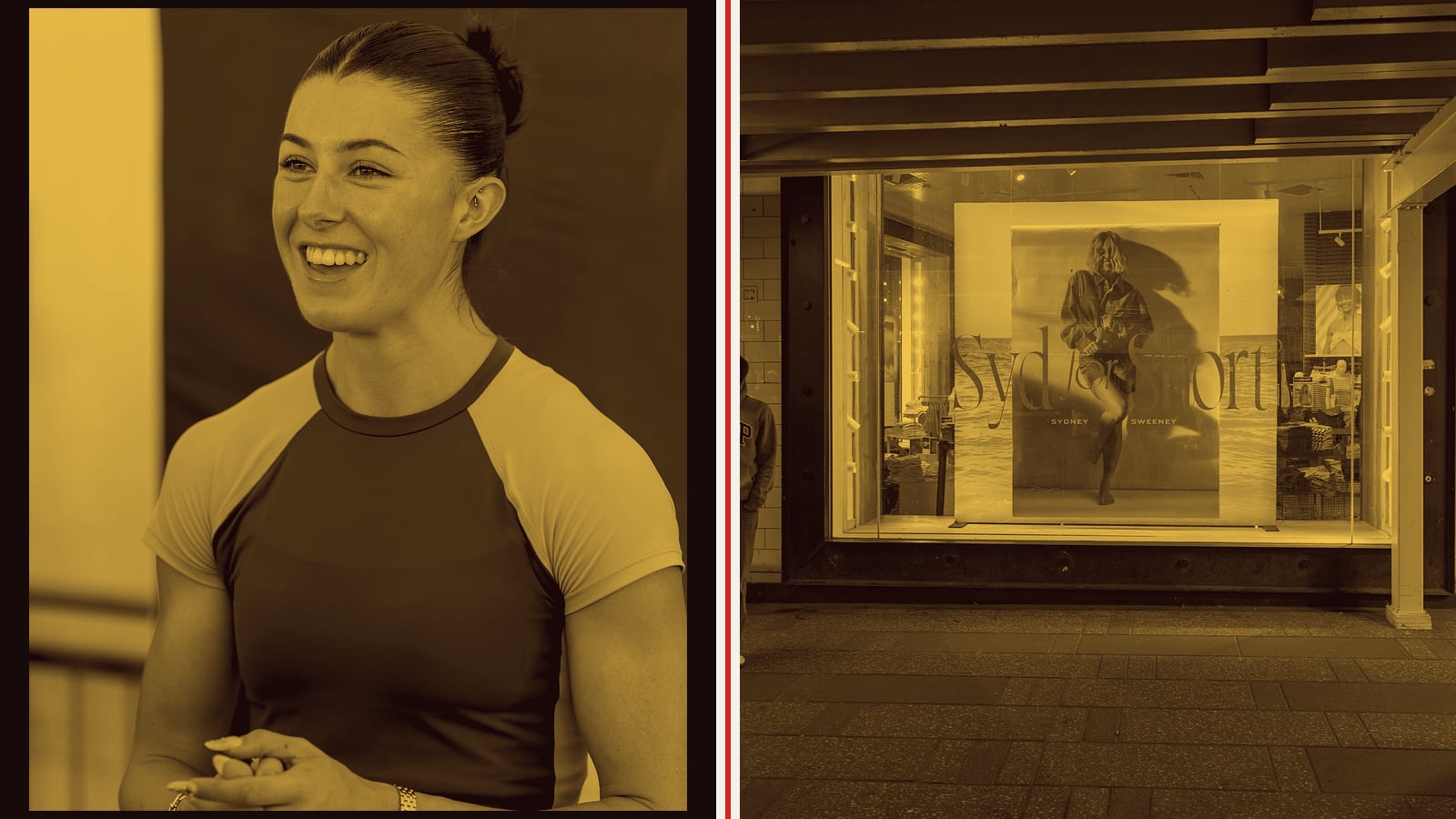
The Sydney Sweeney betting ad has entered its second phase, and it is uglier than the first. The opening act was athletes objecting to a nearly nude spot that sold a sports app as, in Sweeney’s own line, "just sports." The second act is what happens to those athletes after they speak. Women who criticized the ad describe their comment sections filling with abuse. That turn is not a side effect of the campaign. It is the campaign reaching its logical end, and it exposes exactly what this kind of ad is built to harvest.
The number that reframes everything
A Forbes analysis by Dr. Shaheena Janjuha-Jivraj put a figure on the imbalance that most of the coverage only gestured at. In the same week the Novig spot dominated feeds, the Under 20 Women’s World Cup, an actual international tournament of elite female athletes, was largely eclipsed in the media. One sexualized commercial out-drew a competition that women spend careers earning a place in. Janjuha-Jivraj calls the mechanism an attention gap sitting on top of a respect gap. The ad manufactured the first. It did nothing for the second, and arguably spent it.
At a glance
- The attention gap
- Forbes: the ad out-drew the Under 20 Women’s World Cup in a single week
- Who bets
- Roughly 42% of men vs 21% of women gamble on sports; men dominate problem-gambling cases
- Sweeney’s role
- Strategic partner and equity holder in Novig, not a paid spokesperson
- Novig’s own words
- Founder Jacob Fortinsky: the campaign "forces us into the national discourse"
Who the ad was actually for
The clearest reading of the spot is that it was never aimed at the women reacting to it. Sports betting skews heavily male: Forbes cites gambling rates of about 42 percent among men against roughly 21 percent among women, with men making up the overwhelming majority of documented problem gamblers in online sports wagering. The sports broadcaster Samantha Johnson, who has spent two decades covering the field, landed on the same conclusion in blunt terms: the app, she said, "isn’t targeted at me." When the target audience is men who bet and the imagery is a woman undressed for their attention, the female athletes in the comments are not the market. They are the amplifiers.
The harassment is the enforcement
This is where the second phase becomes the story. The para triathlon champion Monique Muskens said she hated the ad, and, by her own account, was immediately flooded with men harassing her over it. Rather than delete and retreat, she screenshotted the abuse and called it out. She is not alone. Olympians and pros who spoke up have described the same pattern. Cassidy Gray, a Canadian skier and 2026 Olympian, called the ad "senseless" and "idiotic" for wiping away work female athletes had done to be taken seriously. The water polo silver medalist Tilly Kearns and the runners Bree Masters and Amy Hunt each answered the ad with a version of the same line: this is what women in sport actually look like. For saying so, many of them got the comment section Muskens got. The abuse is not a breakdown of the campaign’s logic. It is that logic finishing its sentence: attention, at any temperature, is the product.
Sweeney’s answer, and what it dodged
On September 15 Sweeney responded not with words but with a juxtaposition, posting the ad imagery next to ESPN Body Issue style photographs of athletes posed without clothes, the implied argument being that sports media has always traded in the nude body. It is a real precedent and a weak defense. The Body Issue frames athletes as the subjects of their own images. The Novig ad frames a non athlete as decoration for a gambling product she holds equity in. Those are not the same transaction, and treating them as equivalent skips the actual objection: not nudity, but who is being sold, to whom, and for whose balance sheet.
Why we keep coming back to this
Novig’s founder Jacob Fortinsky has been candid that visibility, not persuasion, is the goal. He said the campaign "forces us into the national discourse," which is the quiet part of every controversy ad said out loud. Read that against the scoreboard and the harassment stops looking like an accident. A challenger app in a market where FanDuel and DraftKings hold roughly three quarters of the regulated US field does not need you to like the ad. It needs you to keep saying its name, angrily is fine, and it is content to let women absorb the cost of that reach. The honest response is not to relitigate whether the ad is tasteful. It is to notice that every quote about it, this column included, is fuel, and to at least aim the attention at the athletes doing the actual work rather than at the campaign counting on us not to.


Sources & further reading
- Forbes: What the Sydney Sweeney betting ad really reveals about women in sport
- Today: Sydney Sweeney’s sports ad and the female athletes criticizing it
- NBC News: Female athletes hit back at Sydney Sweeney’s sexualized "just sports" ad
- CNN: Sydney Sweeney under fire from athletes over sports-prediction ad